Counting Back the Minutes: Smart Home Automations for Calmer Family Routines

Today we’re focusing on quantifying time dividends from smart home automations for everyday family routines, turning fuzzy convenience into measurable minutes and gentler mornings. You’ll learn how to baseline current habits, choose meaningful metrics, run experiments, and translate saved minutes into reclaimed attention, reduced stress, and more unhurried connection—without losing humanity to gadgets or surrendering privacy along the way.

Start with a Honest Baseline

Before a single routine switches on, capture how long mornings, homework, chores, and bedtime actually take. Use simple tools your family will tolerate—phone notes, a kitchen timer, or a tally on the fridge—and track two ordinary weeks. Notice bottlenecks, repeated reminders, and moments of friction, because those hidden drags on time and mood become powerful candidates for quiet, supportive automations.

A Simple Tracking Method Families Actually Use

Perfection kills participation, so choose the lightest-weight approach possible. Create three shared categories—morning, day, evening—and log start and end times with a tap. Let kids mark chore completions with stickers, then transcribe weekly. The goal is reliable direction, not laboratory precision, so you can identify patterns without creating a second job for exhausted parents.

Define What Counts as a Win

Decide in advance which outcomes matter: fewer repeated prompts, minutes shaved from transitions, calmer departures, or on-time bedtimes. Make metrics specific and observable—like prompts per morning, average time to shoes on, or minutes of post-dinner reset. Agreement up front prevents confirmation bias later and keeps the focus squarely on family well-being rather than gadget novelty.
Control for Variability Without Getting Stuck

Life isn’t a lab, but small guardrails help. Separate school days and weekends. Note unusual events—visitors, illness, travel—and tag those entries. Consider medians instead of averages to reduce the influence of wild mornings. Repeat baselines seasonally; sunlight, sports schedules, and school changes can swing timing dramatically, reshaping what the household genuinely needs.

Map Routines to Quiet, Helpful Automations

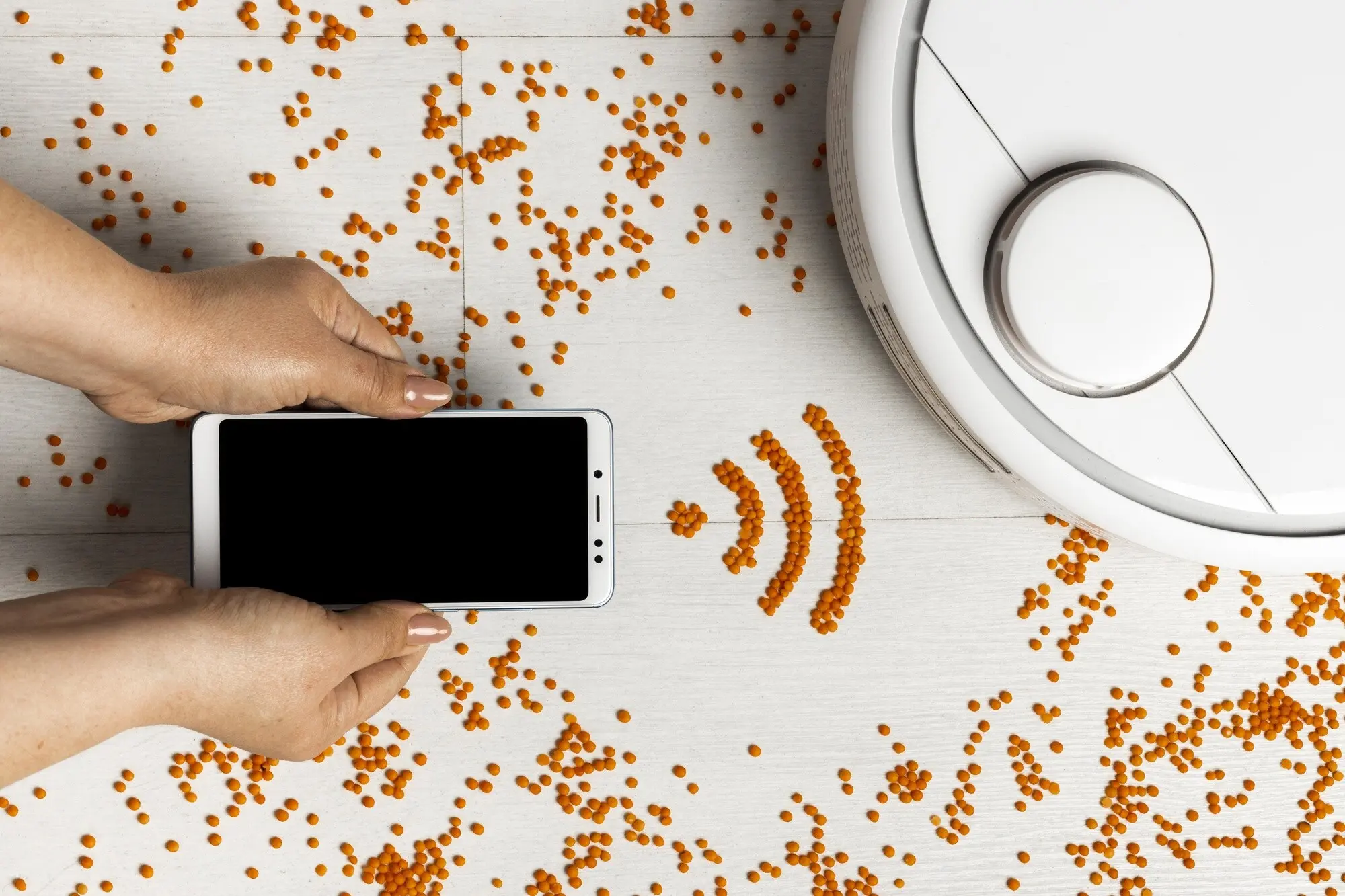
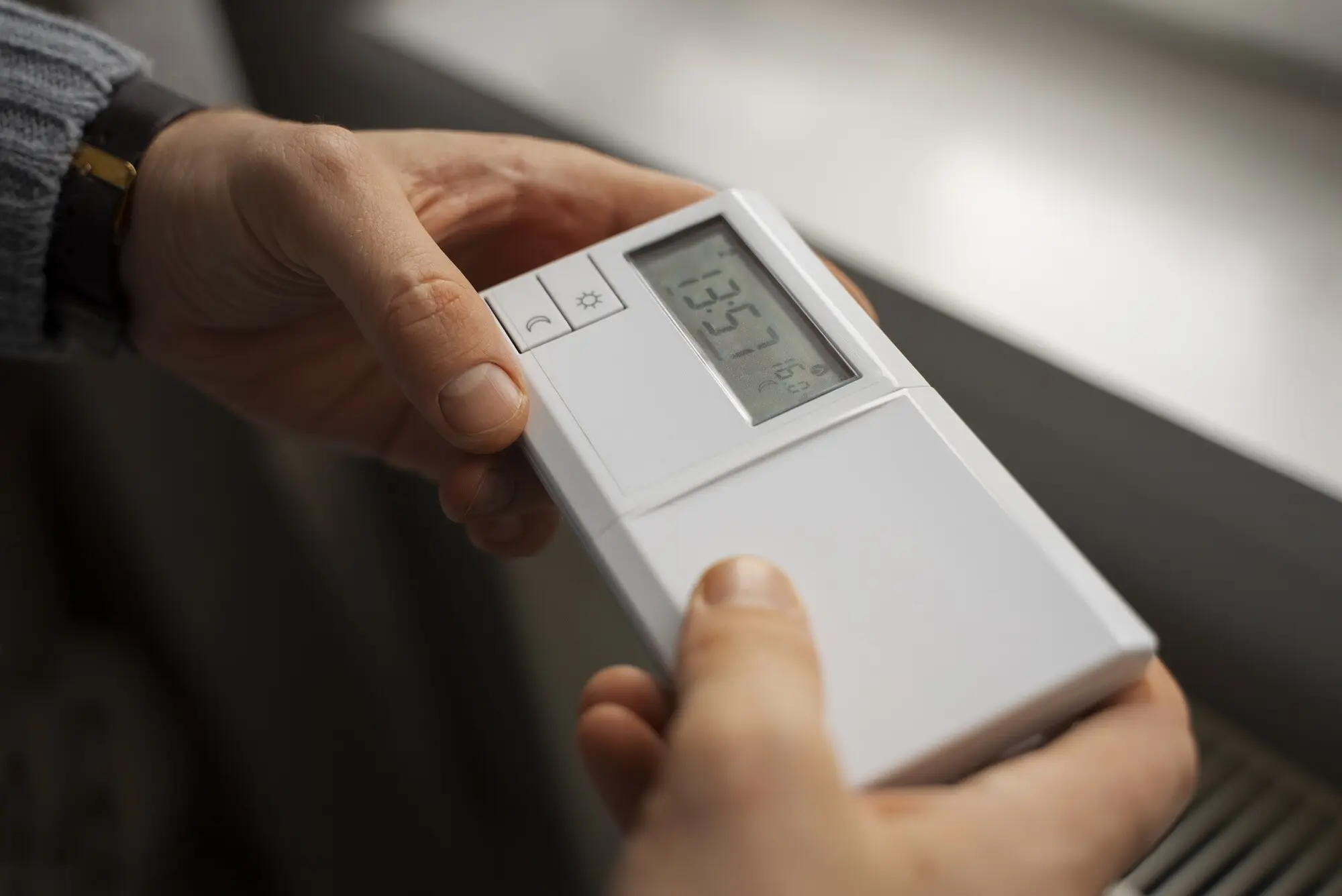
Translate pain points into targeted helpers: sunrise lights that cue wake-ups gently, thermostats that pre-warm the kitchen, plugs that preheat the kettle, presence-based lighting for laundry rooms, robot vacuums during school runs, and voice reminders aligned to natural transitions. Each automation earns its place by removing a step, reducing a prompt, or smoothing a handoff without stealing anyone’s agency.

Measure the Dividend with Clear, Useful Math

After enabling automations, run paired weeks—one automated, one mostly manual—or alternate days. Log the same metrics, then calculate differences in minutes, prompts, and late departures. Convert minutes saved into weekly hours and assign an optional value using your realistic hourly rate. Complement the numbers with stress scores to reflect relief that clocks alone can’t capture.

Case Study: The Alvarez Household

Two working parents, a third-grader, a sixth-grader, and a beagle started with thirty-one chaotic school mornings out of forty. After thirty days, sunrise lights, pre-scheduled breakfast prep, laundry alerts, and bedtime fading reduced average morning time by nine minutes per person and cut repeated prompts by forty percent, while bedtime settled fifteen minutes earlier four nights weekly.

Cost, Payback, and Ethical Design

Hardware, subscriptions, and electricity draw matter, but so do resale value, longevity, repairability, and privacy. Estimate the monthly cost, compare it against hours saved, and consider qualitative dividends like calmer tone. Minimize surveillance, prefer local processing, secure accounts strongly, and include kids in decisions so convenience never compromises dignity, autonomy, or trust within your home.
Sum device and setup costs, add a realistic slice for replacements, then divide by monthly hours saved multiplied by your conservative hourly value. Track over six months to smooth novelty bumps. Count resale potential and electricity use. If payback drifts long, retire the least effective pieces and keep only automations that demonstrably keep giving your family time.
Choose solutions that respect privacy: disable unnecessary cloud logging, prefer local video if any, and clearly label recording zones. Offer manual overrides so no one feels trapped by a schedule. Invite children to co-create rules and commands, giving them voice and ownership. The result feels collaborative, not controlling, aligning household values with technological convenience.
Plan for outages so routines don’t unravel. Keep mechanical switches usable, cache critical scenes locally, and print a single-page fallback checklist for mornings and bedtimes. Use batteries for key sensors and avoid chaining dependencies that topple like dominos. When connectivity returns, automations resume quietly without replaying missed actions in disruptive or confusing bursts.

Make the Wins Stick Through Seasons

A Five-Minute Weekly Retrospective

Every Sunday, glance at the dashboard, pick one success to keep, one friction to smooth, and one automation to pause. Adjust timing by five minutes, not fifty. Celebrate a tiny win with kids. This small ritual prevents tech creep, preserves attention for real life, and keeps the system light, adaptive, and genuinely supportive.

Shared Language for Commands That Don’t Annoy

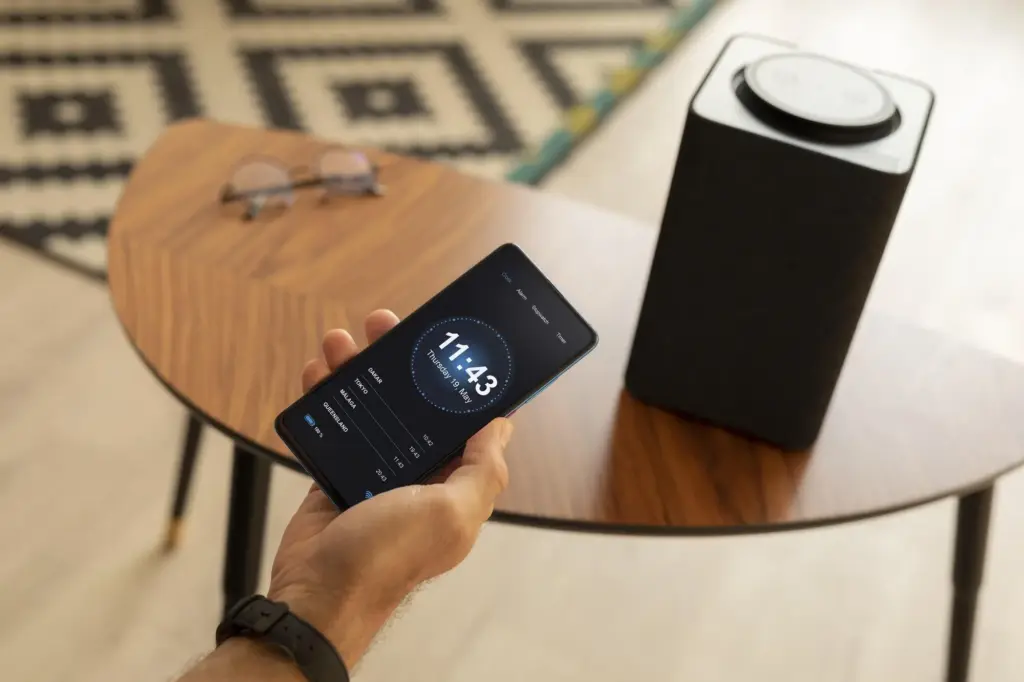
Agree on short, natural phrases—“Good morning lights,” “Start focus,” “Goodnight all”—and keep them consistent across assistants. Reduce misfires by avoiding overlapping names. Document alternatives for grandparents. The result is fewer corrections, clearer expectations, and a sense of collaboration, where spoken cues feel courteous, not bossy, and the home responds as a quiet, reliable teammate.

Document Once, Relax Often

Write a one-page playbook with device names, scenes, and emergency overrides. Add QR codes to common touchpoints—the coffee maker, hallway switch, bedtime table—linking to quick tips. Label chargers and hubs. When something drifts, you’ll fix it in minutes, not hours, preserving the time you earned instead of spending it on troubleshooting tangles.

Join the Experiment and Share Your Minutes

Try a fourteen-day baseline, enable two carefully chosen automations, then measure for fourteen more days. Post your minutes saved, prompt counts, and one unexpected benefit in the comments, or subscribe to get a lightweight tracker template. Your story may help another family replace frazzle with flow, proving the calm you can feel is also time you can count.

Start Small, Learn Fast

Pick just two targets—morning wake-ups and laundry handoff—and resist adding more for two weeks. Track the changes, share a photo of your dashboard, and tell us what surprised you. The best automations disappear into the background, quietly paying dividends without demanding attention or explanation every time the day begins or ends.

Compare Notes with Other Households

Different homes, similar bottlenecks. Swap configurations, discuss privacy-respecting alternatives, and crowdsource low-cost ideas. Did a plug timer beat a pricey appliance? Did sensor placement matter more than brand? Your practical experience can spare someone else unneeded purchases, guiding families toward solutions that bank minutes and compassion in equal, mutually reinforcing measures.

Tavozentodavo
Privacy Overview

This website uses cookies so that we can provide you with the best user experience possible. Cookie information is stored in your browser and performs functions such as recognising you when you return to our website and helping our team to understand which sections of the website you find most interesting and useful.